
"there are three methods"
9000 article(s) found

Boutique coffee basic common sense three steps to find coffee favorite
The soft and smooth Colombian coffee, the blue mountain coffee with a unique aroma and slightly sour taste, and the balanced Indonesian coffee with syrup and chocolate flavor produce more than 3000 kinds of coffee beans in more than 50 countries around the world every year. Therefore, it is not easy to choose the most suitable coffee among the many choices. And some experts recognize it.

Three coffee brewing methods commonly used in cafes
Filter paper brewing: the easiest brewing method features the simplest coffee brewing method. Filter paper can be used immediately discarded, more sanitary, but also easy to clean up. The amount of boiled water and the method of injection can also be adjusted. One serving can also be brewed, which is the best brewing method for a small number of people. A dripper has one hole and three holes. Three holes are used here. for injecting boiling water

Coffee brewing utensils: Japanese hand coffee filter cup fan-shaped ceramic drip filter with three holes
The hand has a good nickname-lazy man's coffee, but there are still a lot of things to study carefully. The representative brand of single bean coffee, the real pot coffee in Japan is famous for making coffee by hand. Although hand-brewed coffee looks simple, if it is well controlled, it is absolutely possible to make a professional and authentic cup of coffee brewing principle: release the essence of coffee by stewing.

KALITA three-hole hand-made coffee video tutorial-which is better, kalita or hario
KALITA three-hole manual coffee video tutorial-kalita or hario which is good to use the filter paper dripping method to brew coffee, the filter paper will stick to the filter cup wall, without these grooves, after injecting hot water, the air can only be discharged from the filter hole at the bottom of the cup, and the remaining air will be discharged from the steaming coffee powder surface, the coffee powder surface will break a hole, cold air will enter.
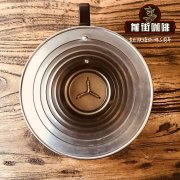
What is the difference between Yega Xuefei and washing? a brief introduction to the treatment of three major coffee beans
Professional coffee knowledge exchange more coffee bean information please follow the coffee workshop (Wechat official account cafe_style) front street-Yejia Xuefei Coffee, introduction to the three major treatment methods: the use of water washing and fermentation methods to remove the skin, pulp and mucous membrane, wash the coffee beans to be smooth and clean, after washing, the coffee beans are also wrapped in the inner pericarp, with a moisture content of up to 50%

There are several ways to make coffee by hand. There are several ways to share the characteristics.
Professional Coffee knowledge Exchange more coffee bean information Please follow the front street of coffee workshop (Wechat official account cafe_style)-Coffee techniques and characteristics sharing front street every time I talk about coffee with customers, I can't avoid flushing this word. To put it harshly, hand-brewing coffee is a favorite of coffee enthusiasts / coffee users / coffee lovers. Today, I would like to share with you some of the big ones.

Quick understanding of the harm of coffee partners-instant coffee is harmful, and what's worse, coffee partners!
Professional coffee knowledge exchange more coffee bean information Please follow the coffee workshop (Wechat official account cafe_style) have you ever wondered what is in instant coffee that is convenient and easy to brew quickly? Where did instant coffee come from? Instant coffee was invented much earlier than you might think. In 1890, New Zealander David Strang invented the earliest instant coffee and registered it.

The method of making black coffee, the skill of brewing individual coffee.
Black coffee emphasizes the strong aroma of coffee itself. Aroma is not only the life of coffee quality, but also the best expression of coffee production process and roasting technology. The climate of the place of production, variety, refined treatment, harvest, storage, and the appropriateness of baking technology in the consuming country are all conditions that determine the aroma of coffee beans. Bitter is the basic taste of black coffee, there is a difference in strength and texture, raw beans contain only a very small amount.
Three principles of blending coffee beans
1. The blending of raw beans requires the use of a characteristic coffee bean to avoid the appearance of food beans with similar flavor. Choose raw beans from the treatment methods such as washing or drying; as well as the origin of coffee beans; each place of origin will be different in its taste; and then there are neutral beans that are more balanced in all aspects. At present, the commonly used raw beans are Brazil, Mocha and Colombia. two。 Matching

Characteristics of Coffee Bean Flavor in three Coffee producing areas in the World
Under the influence of Chinese culture, Asian tea culture is booming, while coffee appears to be on its own by comparison.
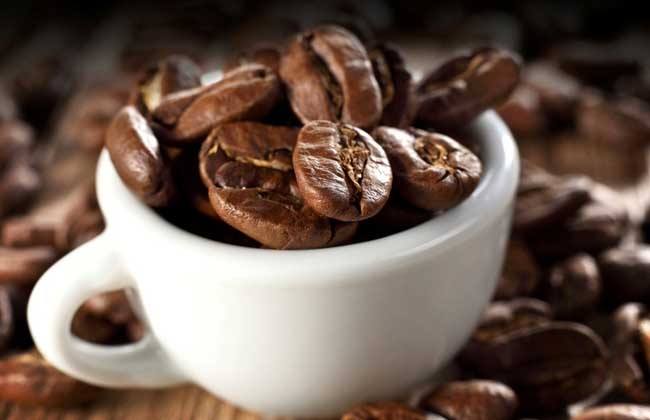
Brazilian coffee bean producing area, Brazilian coffee bean grade
Following Cafe Review (official Wechat account vdailycom) found that Brazilian Coffee, which opened a small shop in Fairview Cafe, had a low sour taste, matched with the sweet and bitter taste of coffee, and had a slight grassy aroma, with a slightly bitter taste in the fragrance, smooth taste and pleasant aftertaste. There are no outstanding advantages for Brazilian coffee.

Processing methods of coffee beans with low caffeine
CO2 low-caffeine treatment and other low-caffeine treatments are described as follows: at present, there are three ways to remove caffeine from coffee beans: 1. Water treatment can remove 9496% of the caffeine. 2. Chemical extraction method, early use of chloroform (Chloroform) and benzene (Benzene) as solvents to extract caffeine, and later understand that these chemicals cause cancer, and then gradually become other low-hazard chemicals.
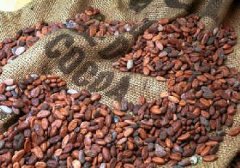
Decaffein, the processing method of low caffeine coffee beans
CO2 low-caffeine treatment and other low-caffeine treatments are described as follows: at present, there are three ways to remove caffeine from coffee beans: 1. Water treatment can remove 9496% of the caffeine. 2. Chemical extraction method, early use of chloroform (Chloroform) and benzene (Benzene) as solvents to extract caffeine, and later understand that these chemicals cause cancer, and then gradually become other low-hazard chemicals.
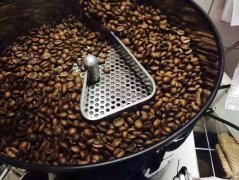
Decaffein, the processing method of low caffeine coffee beans
CO2 low-caffeine treatment and other low-caffeine treatments are described as follows: at present, there are three ways to remove caffeine from coffee beans: 1. Water treatment can remove 9496% of the caffeine. 2. Chemical extraction method, early use of chloroform (Chloroform) and benzene (Benzene) as solvents to extract caffeine, and later understand that these chemicals cause cancer, and then gradually become other low-hazard chemicals.

Siphon pot to make coffee 7 elements, how many do you know?
After a brief understanding of the basic process of the game style, you may still be confused about some of the details, so you might as well review the key tips for each step. PIONT1: before the upper pot filter fastens the glass tube to boil the wind, first put the wrapping cloth on the filter and put it into the upper pot to smooth it, then pull out the spring bead buckle ring hanging from the glass tube mouth of the upper pot and fasten the pipe mouth. Many beginners forget this.

Emerald manor blue label rose summer coffee hand brewing filter cup extraction method introduction and flavor description
Hand-brewed coffee beans introduced water quality PH7.5, TDS150, is the most ideal. PH7-7.5, TDS75-225. If you don't want trouble, drink water that doesn't have a bad taste and doesn't get dirty after boiling water. Water temperature 0-boiling water. Either way, really, don't believe in 85 ° C best, 93 ° C American Fine Coffee Association standard. FUCK THEM OFF。The hotter the water,
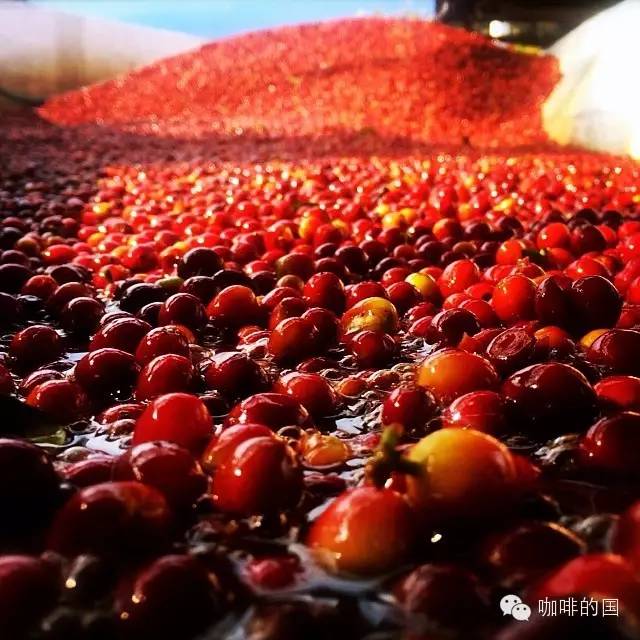
What is the honey treatment method of coffee beans Honey treatment of coffee beans Three kinds of honey treatment What is called honey treatment
4. Today, honey is used in almost all of Costa Rica's producing areas. This method is also widely used throughout Central America. Because the surface of coffee beans is extremely sticky and high in sugar, it is usually called honey. During the honey treatment process, coffee leaves some or all of the honey when it dries. Coffee fruits are picked, graded, and peeled to be

Stereoscopic pull flowers, print pull flowers-special pull flowers coffee practice Chocolate pull flowers coffee making
Professional coffee knowledge exchange More coffee bean information Please pay attention to coffee workshop (Weixin Official Accounts cafe_style) The beautiful flowers common in cafes are the results of a lot of effort by baristas. However, with the popularity of coffee shops, more and more fun and interesting ways to pull flowers, as well as more convenient tools to pull flowers continue to appear. Following the previous article introduced the basic pull flower original
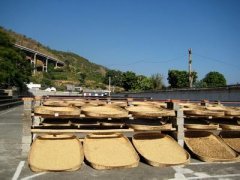
A brief introduction to the treatment methods of grinding degree and baking degree of a wide variety of Brazilian boutique coffee beans
Brazil is vividly compared to the giant and monarch of the coffee world. There are about 3.97 billion coffee trees there, and small farmers now grow 75% of Brazil's total coffee production. The number of coffee producers in Brazil is twice or even three times that of Colombia, which is the second largest coffee producer in the world. Brazil has many large farms and endless coffee plantations.
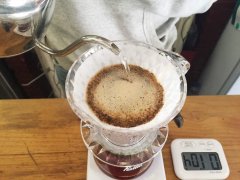
Exploring the Secret by follicle method ─ testing the meaning of different filters and their matched filter paper
Abstract: Aeropress+ original filter paper, MUJI fan-shaped rice porcelain filter cup + MUJI primary color filter paper, HARIO V60 resin filter cup + 02 unbleached primary color filter paper. Utensils: Aeropress+ original filter paper, MUJI fan-shaped rice porcelain filter cup + MUJI primary color filter paper (HK $9 50 sheets), HARIO V60 resin filter cup + 02 unbleached primary color filter paper (